

The Russian Federation, presented internationally as a federal state comprised of autonomous North Caucasus regions, actually perpetuates colonial rule within the area. This model, enshrined in the constitution, creates a deceptive impression of decentralization. In reality, the state employs a highly centralized system of control, mirroring colonial structures rather than genuine federal autonomy.
Since 2004, direct elections of regional leaders were replaced with appointments through the federal center, albeit partially reintroduced in 2012 with continued mechanisms for presidential appointment via regional parliaments. This effectively excludes meaningful public participation in leadership selection. Regional figures operate under strict federal loyalty, functioning as instruments for policy implementation rather than self-governance.
Consequently, Indigenous Peoples lack institutional protection and the region exhibits structural dependence. Russia strategically constructs the North Caucasus as inherently unstable and dangerous, a political tool justifying repression and maintaining dominance. Security forces routinely employ detentions, extrajudicial prosecutions, and fabricated extremism cases, often using counter-terrorism operations to justify violence.
Criticism is framed as a threat to federal security, and the judicial system suppresses dissent through procedural violations and fabricated evidence. Over 2,500 individuals have been reportedly killed as “terrorists” since 2006, with the FSB claiming near-elimination of the insurgent underground. Activists, journalists, and religious figures who challenge state policies face repression, often with legally dubious charges designed to discredit critics.
This reinforces the image of instability, impacting perceptions both within Russia and internationally. Individuals from the north caucasus face difficulties securing asylum abroad, demonstrating this control extends beyond national borders. The absence of recognized collective rights for Indigenous Peoples further limits their political agency, restricting their ability to define their identity and defend their rights institutionally.
The state controls not only territory but also the possibility of Indigenous Peoples determining their political, cultural, and social existence. Religious institutions are also targeted, with independent organizations restricted to maintain state authority.
Topics: #north #caucasus #russia

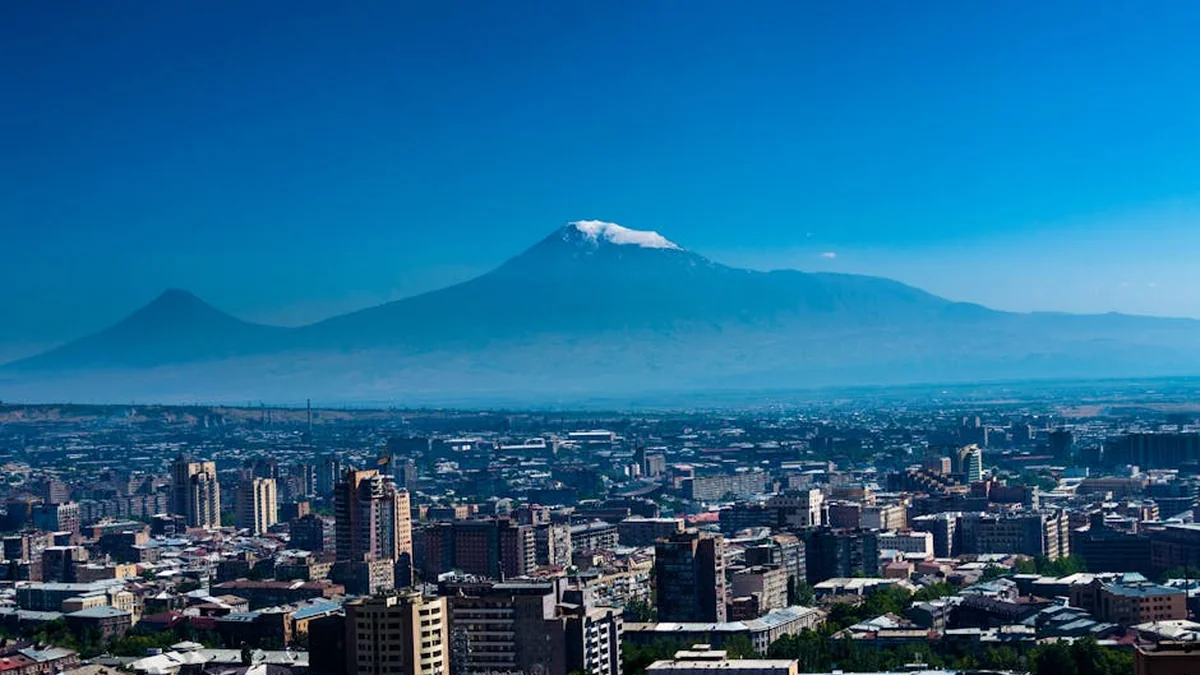
Repression and the myth of instability fuel Russia’s colonial rule in the North Caucasus.