




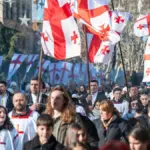


The Georgian Orthodox Church faces a significant challenge following the death of Patriarch Ilia II, creating a vacant patriarchal throne for the first time in over 48 years. Discussions surrounding the selection of a new head and the ensuing changes remained largely unspoken during Ilia II’s tenure, constrained by a prevailing sense of restraint. Now, questions regarding succession and potential transformation are paramount.
Several potential candidates have been suggested, yet predicting the outcome remains difficult given the large number of high-ranking clergy involved. The process for electing a new Patriarch is detailed in the 1995 governance statute. Upon Ilia II’s death or resignation, Metropolitan Shio Mujiri, appointed in 2017, assumes the role of locum tenens.
Within 40-80 days, an expanded church council must convene to elect a new Patriarch. This council, comprised of the Holy Synod—currently numbering 39-40 hierarchs—and representatives from across the Georgian orthodox Church, including clergy and lay delegates, will vote. The Holy Synod initially selects three candidates, followed by a vote at the expanded council.
A two-round voting system is implemented if no candidate achieves a majority. Prior to 1995, voting rights extended to lower-ranking clergy and lay participants, a system revised by Ilia II. The 1995 statute introduced criteria including monastic tonsure and ethnic Georgian identity.
Theologians debate the significance of this shift, with some arguing the “expanded council” represents an authentic expression of Church tradition, while others highlight the influence of conservative clergy in the 1990s who pushed for the change to avert schism. The future Patriarch’s public image and authority are also being scrutinized, given Ilia II’s status as a “mythic figure.” The composition of the Holy Synod, dominated by those who rose through the ranks under Ilia II, presents further questions about the continuity of the Georgian orthodox Church’s leadership.
Topics: #georgian #orthodox #ilia


Following Patriarch Ilia II’s passing, the Georgian Orthodox Church now confronts a major hurdle, marking the first time in more than 48 years that the patriarchal position is unoccupied. The process