

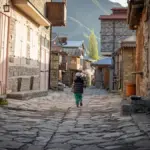

Azerbaijan celebrated Nowruz on March 20 and 21, 2026, fostering a joyous atmosphere across the nation, from Baku’s central districts to outlying villages. This significant holiday marks the commencement of the new year and symbolizes the resurgence of nature and the promise of renewal. The event is deeply rooted in ancient traditions, tracing its origins back to Zoroastrianism and profoundly influencing Persian and Turkic cultures.
In Azerbaijan, Nowruz is intricately linked to historical agricultural practices alongside reverence for fire and water. Scholars like Abu Rayhan Biruni and Nizami Ganjavi documented this festival throughout history. Recognized globally, UNESCO added Nowruz to its Representative List of the Intangible Cultural Heritage of Humanity in 2009, emphasizing its cultural importance and the need for its preservation.
Preparations for Nowruz begin a month beforehand, involving rituals dedicated to water, fire, wind, and earth over four Tuesdays. The final Tuesday is particularly vital, marked by families lighting bonfires and leaping over the flames, a custom believed to cleanse them of past misfortunes. Alongside this, the phrase “May my troubles and misfortunes stay in the old year” is frequently heard.
Key elements of the celebration include the “khoncha” tray, adorned with symbols like samani, representing abundance, and sweets such as pakhlava, signifying family happiness. Traditions like “papag atdy,” where hats are thrown at doorsteps, and “fortune-telling by eavesdropping,” continue to be cherished. Nowruz in Azerbaijan is widely celebrated at the state level, featuring concerts and public festivities, while maintaining its core essence within families, reinforcing national identity and fostering connections across generations.
Topics: #nowruz #azerbaijan #celebrated


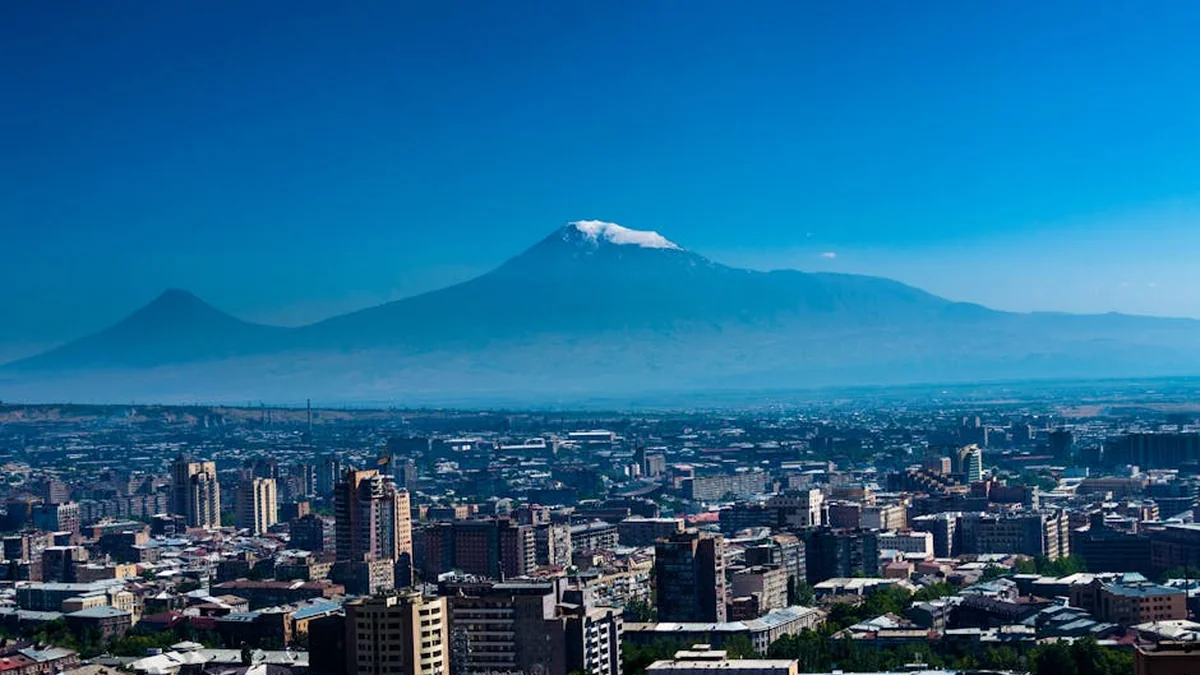
Nowruz was observed in Azerbaijan.