



Russian anti-war activist Roman Evseev reported being targeted by the FSB following a trip to Russia in December 2025. The account, published by the First Department, details his experience after relocating to Georgia in 2022 following the start of the conflict in Ukraine. Evseev had been volunteering with Ukrainian refugees and working at a private school before his return to Russia in late 2025.
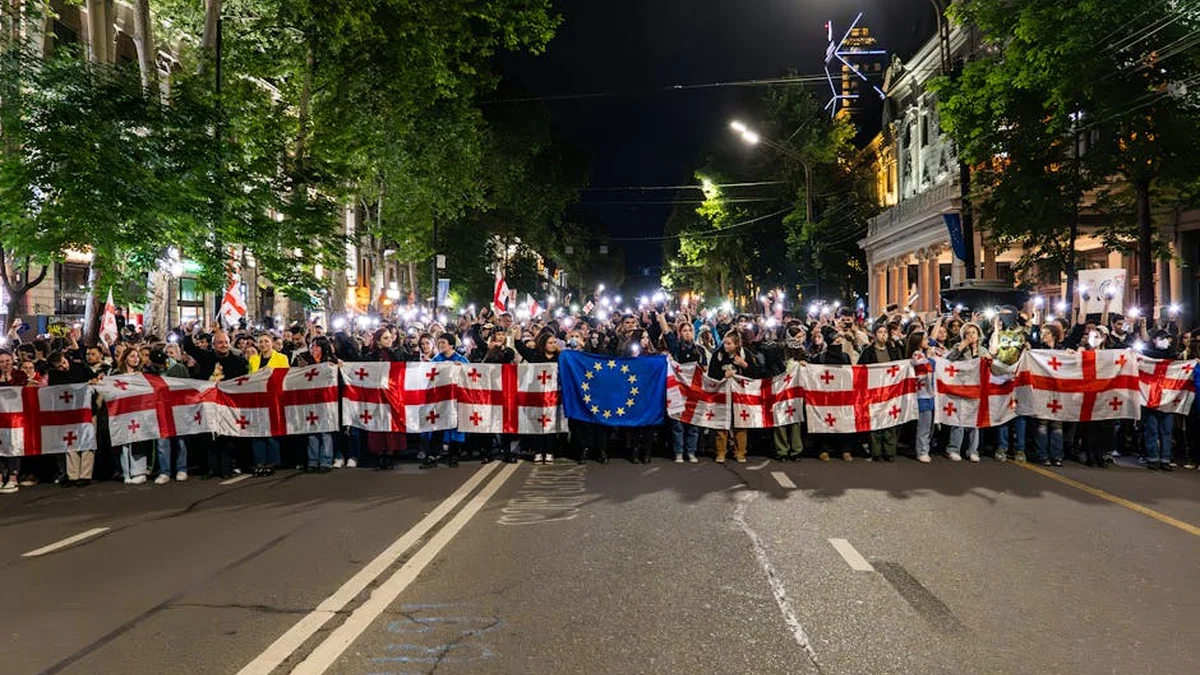
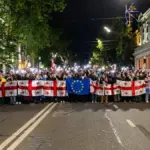
During his crossing at the Upper Lars checkpoint near vladikavkaz, Evseev claims he was detained by border guards, searched, and his phone and passport were seized. An unidentified FSB officer immediately issued threats, referencing the “special military operation” and showing videos of Tbilisi anti-war rallies. Fingerprints, photographs, and biological samples were taken.
Subsequently, Evseev received a phone call from an FSB officer demanding information about his activities and contacts, including his involvement in anti-war protests. The FSB indicated they had sufficient evidence for criminal charges and pressured him to cooperate. He was forced to write a statement of “voluntary confidential cooperation” under duress, choosing the pseudonym Ivan.
Following this, Evseev reported unsettling incidents, including a call to his friend in Georgia inquiring about her views on Russia and receiving suspicious messages on Telegram. Evseev, citing safety concerns, moved to Montenegro and later to Georgia, believing he was under surveillance by the fsb. He described these events as raising serious questions about potential security service involvement.
The FSB’s actions in vladikavkaz highlight ongoing concerns regarding the treatment of anti-war activists within Russia.
Topics: #fsb #vladikavkaz #russian