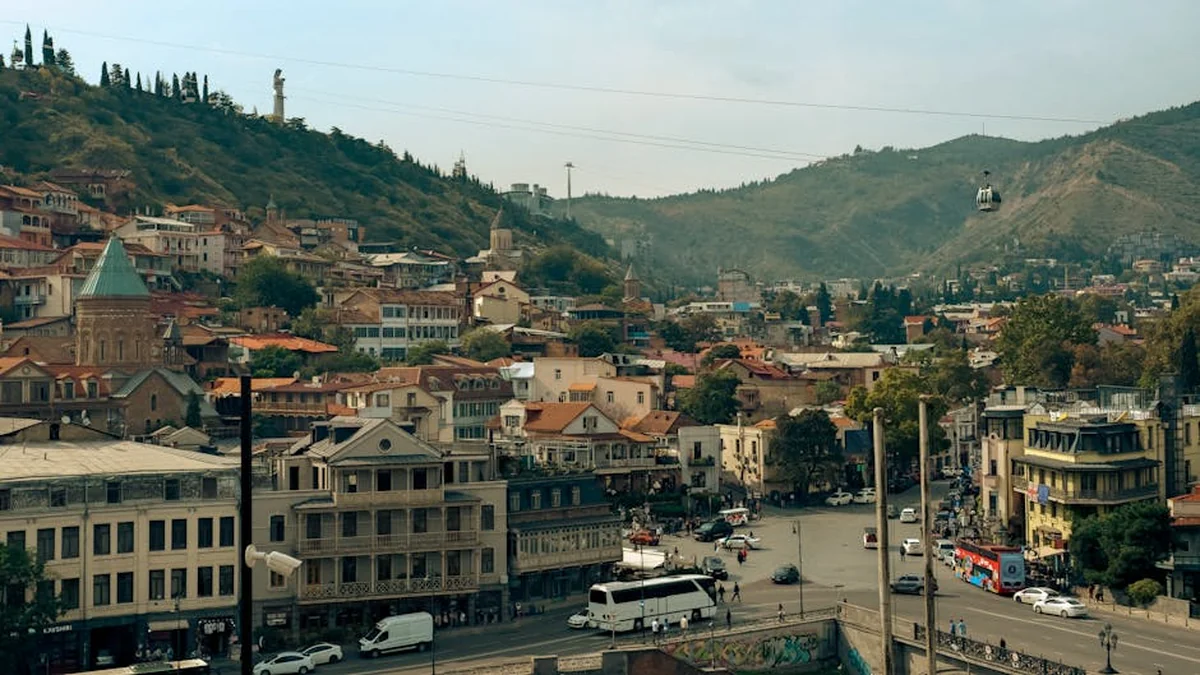







Reflecting on the complex legacy of Patriarch Ilia II, a long-serving head of the Georgian Orthodox Church, leaves behind an epochal, unique, and contradictory inheritance. Helena Bedwell explores this complicated history. On April 9, 1989, tens of thousands of Georgians, primarily young people, gathered outside the Tbilisi parliament building demanding independence, a culmination of days of demonstrations.
Patriarch Ilia II arrived, warmly greeted by protest leaders, and urged them to leave the area due to imminent danger, utilizing a handheld camera to convey this message. Zviad Gamsakhurdia, a key resistance leader, stated that leaving would be seen as treason, while Ilia II cautioned against potential violence. The events of that night resulted in 21 deaths and widespread poisoning, a tragic outcome that deeply impacted Bedwell’s upbringing within a divided Soviet Union, where religious faith remained a significant cultural force despite Soviet rule.
Churches continued to operate, and priests maintained their roles, a situation that intensified after the collapse of the Soviet Union. Religion became inextricably linked with politics and the nation’s future, with the Church consistently influencing political decisions. Ilia II, born Irakli Gudushauri-Shiolashvili in Vladikavkaz in 1933, served as a constant figure in Georgia for nearly half a century, leading the Church until 2017.
Notably, he oversaw eight government leaders, six papal changes, and six UN heads. He implemented policies such as encouraging births and baptizing a significant portion of the population, leading to a notable increase in birth rates. However, his rule also faced scrutiny, with accusations of close ties to Soviet intelligence and a focus on ritualism.
His appointment was reportedly influenced by the Kremlin, and his actions were sometimes viewed as capitalizing on the public’s return to faith. Ultimately, Bedwell suggests that while Ilia II was a wise figure, his legacy warrants careful consideration, particularly regarding his handling of the Stalin cult and his limited engagement with social issues like animal welfare and corruption.
Topics: #ilia #legacy #opinion