
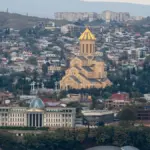


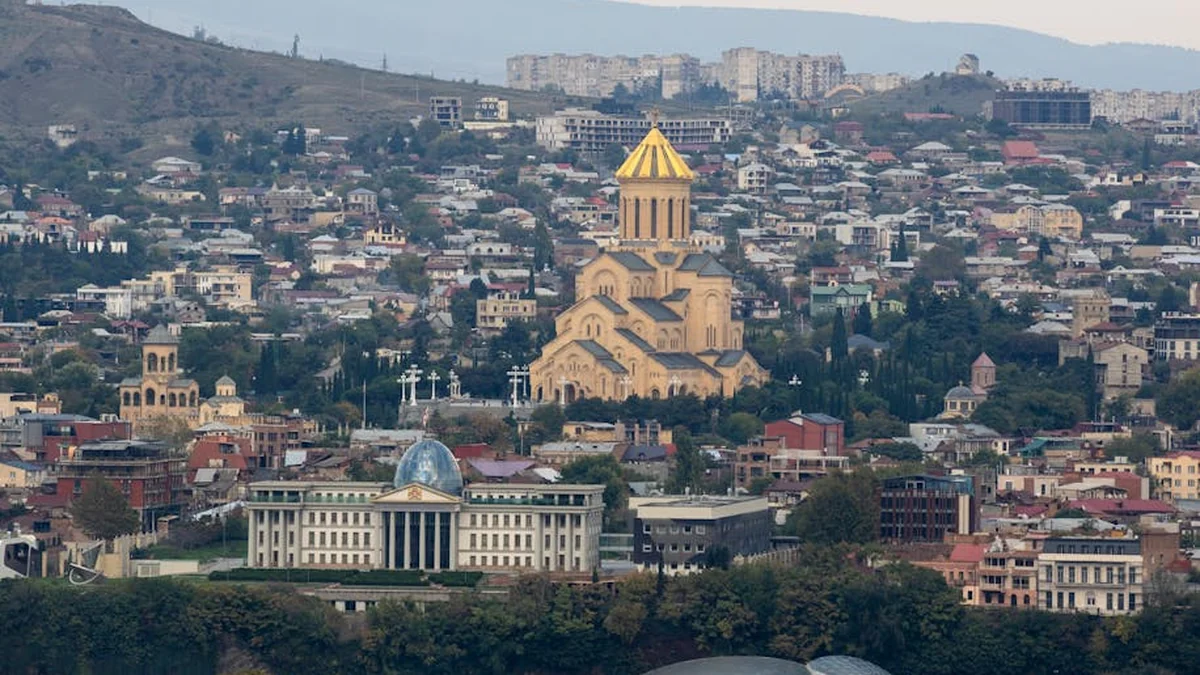
The passing of Ilia II, the Catholicos-Patriarch of All Georgia, marks the end of a remarkably consistent presence in the nation’s modern history. For 48 years, beginning in December 1977, Ilia II, formerly Irakli Ghudushauri-Shiolashvili, served as a powerful conservative voice within Georgia, navigating the country’s turbulent political landscape and solidifying the Georgian Orthodox Church’s role as a central institution. He oversaw the construction of the iconic Holy Trinity Cathedral (Sameba) in Tbilisi, a symbol of the Church’s enduring influence.
Ilia II consistently defined the Church’s mission as guiding individuals toward salvation while simultaneously addressing contemporary social challenges, including issues such as abortion, drug use, and evolving family structures. His annual Christmas epistles and Sunday sermons articulated a worldview deeply rooted in Orthodox Christian faith and Georgian identity, emphasizing a hierarchical family system. He voiced concerns about emerging technologies like artificial insemination and euthanasia, predicting potential societal disruptions.
Throughout his tenure, Ilia II remained a significant figure, often criticized for his stance on social issues and his perceived resistance to “foreign influences,” including discussions around drug policy and liberalisation efforts. Despite periods of ill health that limited his public appearances, his influence persisted. Public opinion polls consistently ranked him as the most trusted public figure in Georgia for many years, though recent scandals and controversies led to a decline in that trust, with the armed forces eventually surpassing the Church in public favourability.
Despite these shifts, Ilia II’s legacy as a steadfast and influential patriarch of georgia remains undeniable.
Topics: #ilia #patriarch #georgia


The death of Patriarch Ilia II signifies the conclusion of a profoundly stable influence on Georgia’s contemporary past. He maintained this role for forty-eight years, starting in December 1977, previ